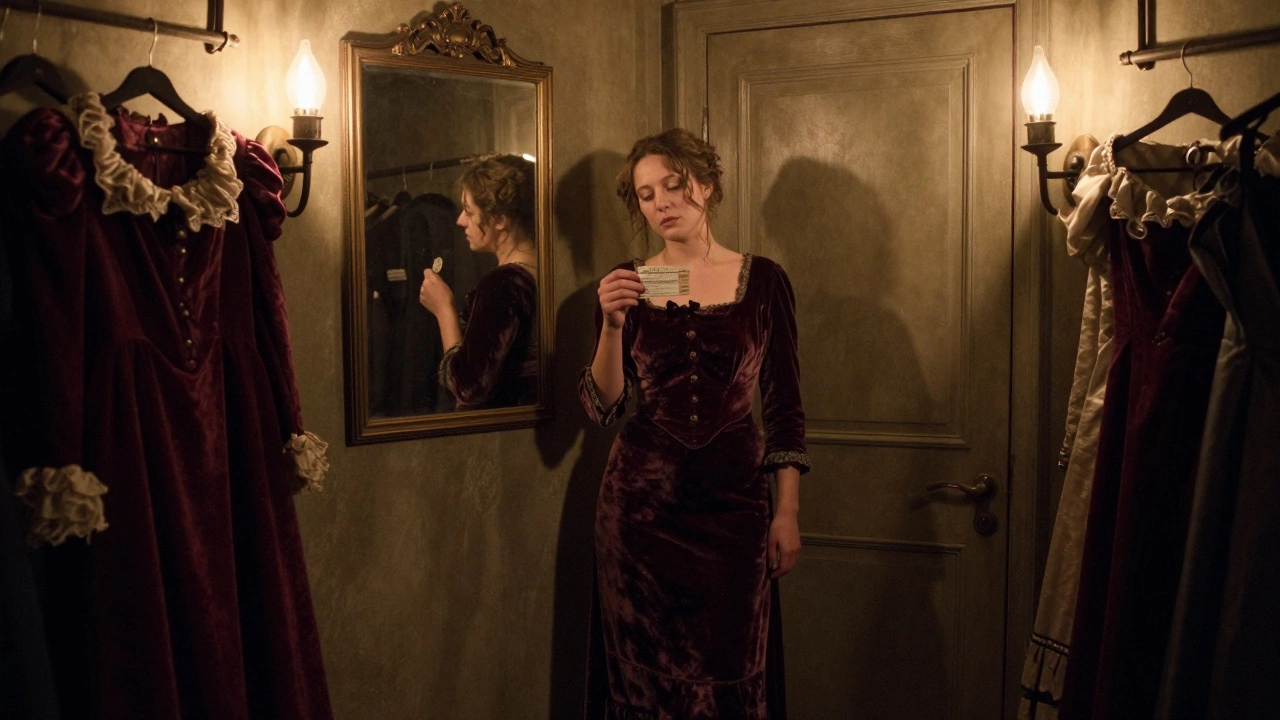
For centuries, the line between performance and survival has been blurred in ways society prefers to ignore. Acting and sex work have shared more than just stage lights-they’ve shared survival strategies, social stigma, and the same brutal truth: when you’re poor, your body is often your only asset. This isn’t a modern phenomenon. It stretches back to ancient Greece, where female performers in theater were also expected to provide sexual services to wealthy patrons. The same women who played roles of goddesses and queens in amphitheaters were often the same women who slept with men who paid for front-row seats. There was no clean separation between art and commerce-only power dynamics dressed up as culture.
Today, you might hear about girls escort dubai in travel blogs or social media threads, framed as luxury or fantasy. But behind those curated photos and polished profiles lies a history older than cinema itself. The idea that performance and prostitution are separate professions is a myth built by those who never had to choose between rent and dignity. In ancient Rome, actresses were legally classified as prostitutes. In Elizabethan England, women on stage were seen as morally compromised-so much so that male actors played female roles not just because of laws, but because society refused to believe a woman could be an artist without also being a whore.
Stage Lights and Streetlights: Shared Spaces, Shared Struggles
By the 1800s, theaters in Paris, London, and New York were hubs of underground economies. Actresses often lived in boarding houses run by madams. Many took on clients between performances. Some used their roles to attract patrons who could fund their careers. Others were forced into it by managers who controlled their housing, wages, and mobility. The stage wasn’t a sanctuary-it was a marketplace. And just like today’s gig economy, those with the least power bore the heaviest costs.
Acting offered visibility, but not safety. Sex work offered income, but not respect. The two were tangled together because the systems that governed them were the same: patriarchal, exploitative, and indifferent to individual agency. Women who stepped into the spotlight were often labeled as fallen, even if they never stepped off it. Their talent was dismissed. Their survival was criminalized.
Early Film and the Rise of the Double Life
When motion pictures took over in the early 1900s, the pattern didn’t vanish-it evolved. Silent film stars like Theda Bara and Louise Brooks were marketed as seductresses, their on-screen personas blurring into their real lives. Studios encouraged rumors. Press agents fed stories. A woman who played a femme fatale on screen was assumed to be one off it. The line between character and person vanished under the glare of publicity.
Many actresses took on wealthy benefactors to pay for housing, training, or to escape abusive contracts. Some kept these relationships secret. Others didn’t have a choice. The studios didn’t care if their stars were exploited-as long as the headlines sold tickets. The same women who portrayed tragic heroines in silent dramas were often the ones living them off-camera. Their stories were real. Their pain was invisible.
Post-War America and the Puritanical Shift
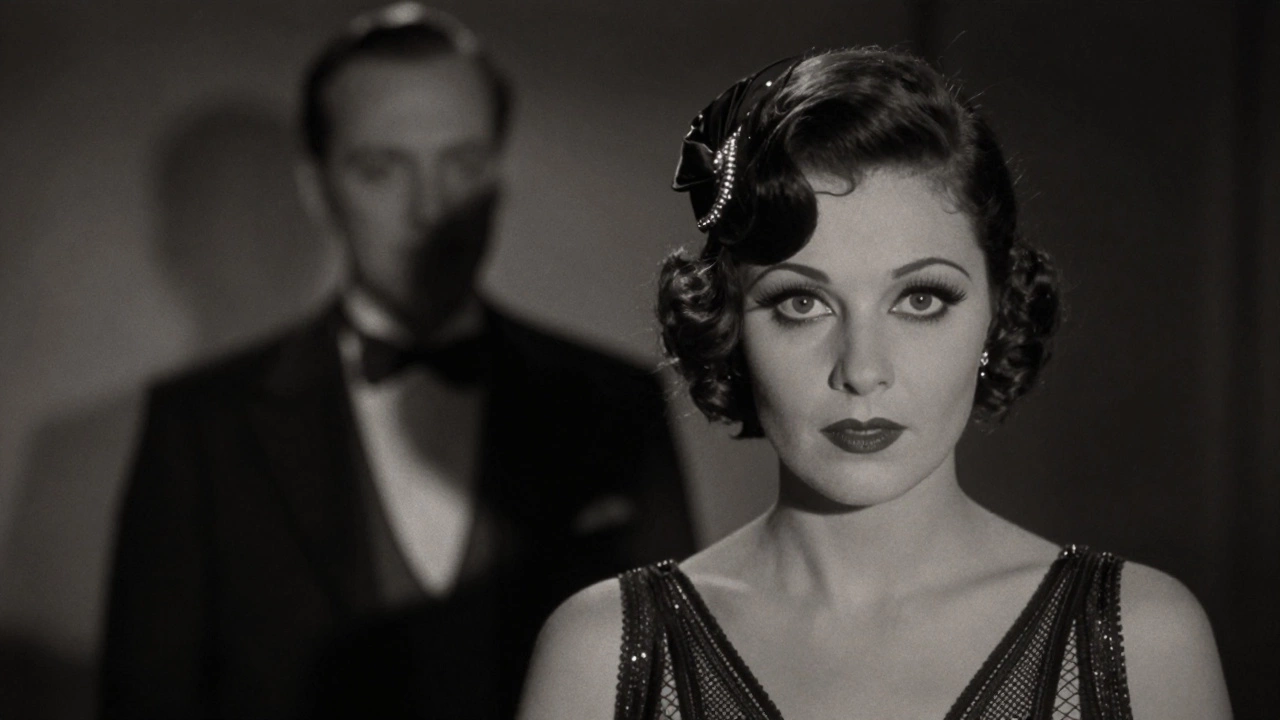
After World War II, Hollywood doubled down on moral policing. The Hays Code banned any depiction of prostitution, adultery, or sexual freedom. But behind the scenes, the industry kept the old rules alive. Actresses were still expected to sleep with producers to get roles. Agents still arranged meetings with powerful men. The difference? Now it was hidden. Now it was whispered. Now it was called "networking."
Women who spoke out were blacklisted. Those who stayed silent were praised as "professional." The stigma didn’t disappear-it just got quieter. Meanwhile, sex work became more criminalized, pushed further underground. The women who worked both sides of the coin-on stage and off-were erased from history. Their names were scrubbed from credits. Their lives were rewritten as cautionary tales.
Modern Times and the Illusion of Choice
Today, we like to think things have changed. We celebrate actresses who speak out about harassment. We applaud movements like #MeToo. But the structure hasn’t shifted-it’s just been repackaged. Independent filmmakers still cast actresses based on looks and availability. Casting directors still whisper about who "plays well" with producers. The difference now? Many women are doing sex work on their own terms-through social media, OnlyFans, or private arrangements. Some even use their acting skills to build personal brands.
And yes, you’ll find ads online for dubai girl escort, marketed as glamorous, exclusive, and safe. But look closer. Many of these women are performers by training. They use their acting skills to craft personas, manage client expectations, and control narratives. The same techniques used to embody a character on screen are used to embody a fantasy off it. The tools haven’t changed. Only the platform has.
The rise of digital platforms has made it easier to monetize performance-but it hasn’t removed the risk. The same women who audition for indie films now also post content online. They juggle roles, manage audiences, and navigate algorithms. They’re not just sex workers. They’re content creators, marketers, and actors-all in one. And yet, society still treats one part of their work as art and the other as shame.

The Dubai Escort Problem: A Modern Mirror
When people talk about the dubai escort problem, they’re not really talking about Dubai. They’re talking about global systems of gender, power, and economics. Dubai has become a symbol-not because it’s unique, but because it’s extreme. It’s a place where wealth masks exploitation, where visas are tied to performance, and where women from other countries are brought in to fulfill fantasies that their own societies refuse to acknowledge. The women who work there often have theater training. They know how to smile, how to listen, how to disappear when the lights go out.
They’re not outliers. They’re the logical endpoint of a centuries-old pattern: women’s bodies used as tools for entertainment, comfort, and profit-with no safety net when the performance ends.
Reclaiming the Narrative
There are women today who are rewriting this history. Former actresses who now run advocacy groups for sex workers. Former sex workers who write and direct films about their own lives. They’re not asking for pity. They’re asking for recognition: that performance is labor. That survival is not a moral failure. That the same courage it takes to cry on cue is the same courage it takes to say no to a client, or yes to a paycheck.
When we separate acting from sex work, we erase the real lives behind both. When we pretend one is noble and the other is corrupt, we ignore the fact that both are shaped by the same systems: poverty, gender inequality, and lack of access to real power.
Maybe the next time you watch a film about a woman who becomes a star, ask yourself: what did she give up to get there? And if she didn’t give anything-why does it feel like she should have?
History doesn’t repeat itself. It echoes. And right now, the echo is loud enough to hear if you’re willing to listen.